
When planning a flooring upgrade, one of the most common questions people ask is how long the process will actually take. Epoxy flooring has gained massive popularity for its durability, glossy finish, and resistance to wear and tear. However, the timeline of installation can vary depending on several important factors. Understanding the process helps you set realistic expectations and avoid unnecessary delays.
How Long Does An Epoxy Flooring Contractor Take To Complete A Project?
The time required for an epoxy flooring Contractor project typically ranges from 2 to 5 days for residential spaces and 5 to 10 days or more for larger commercial areas. This variation depends on factors such as surface condition, project size, weather, and the type of epoxy system being used.
A professional contractor follows a step by step process to ensure durability and finish quality. Here is a breakdown of what usually happens:
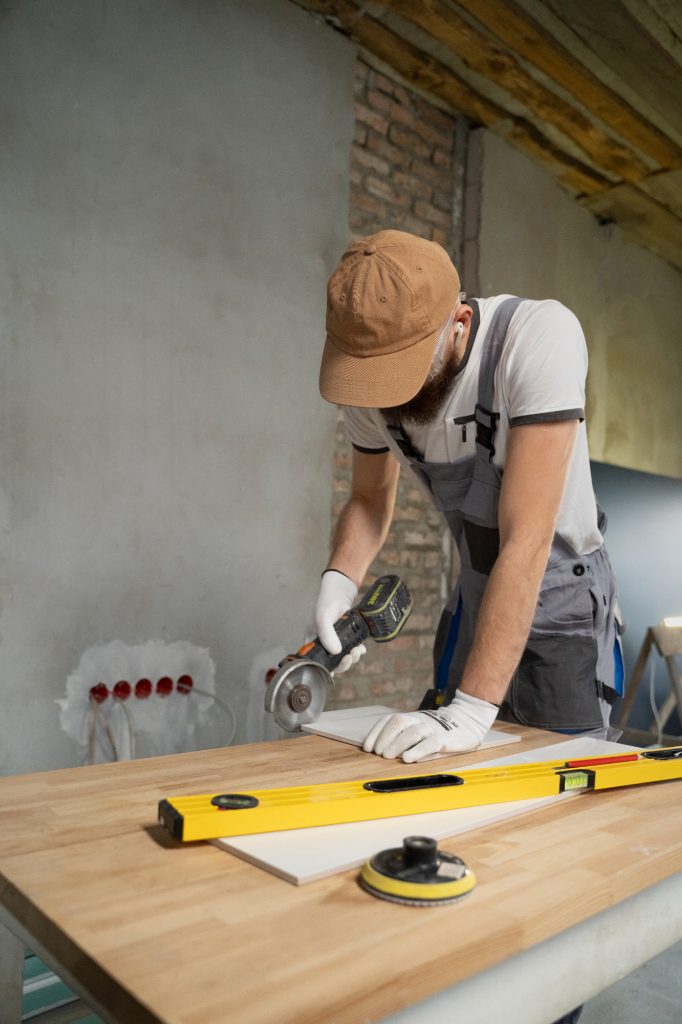
- Surface preparation including cleaning, grinding, or repairing cracks often takes the longest time
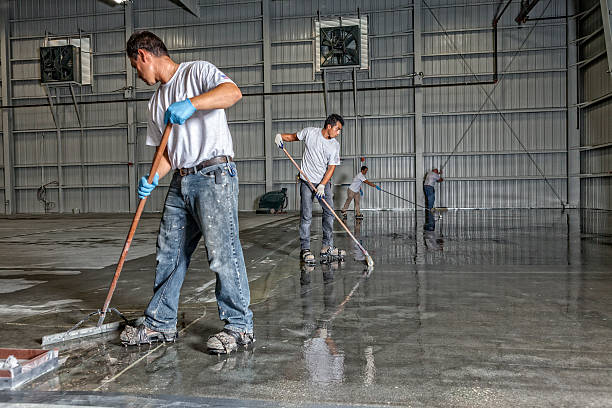
Once preparation is complete, the epoxy layers are applied, and each layer requires curing time before the next one is added.
Example
For instance, a small residential garage in good condition may take just 2 to 3 days, while a warehouse with damaged concrete may extend to a full week due to additional repairs.
Key Factors That Affect Project Duration
How Long Does An Epoxy Flooring Contractor Take To Complete A Project In Different Conditions?
Several elements influence how quickly or slowly a contractor can finish the job. These include:
1. Surface Preparation
Preparation is the foundation of a successful epoxy floor. If the concrete has cracks, oil stains, or uneven areas, it will require extra work. This stage alone can take one to two days depending on the severity.
2. Type Of Epoxy System
Different epoxy systems have different curing times. For example:
- Fast curing epoxy may allow completion within 48 hours
- Decorative or multi layer coatings may extend the timeline due to added detailing
3. Weather And Temperature
Temperature plays a critical role in curing. Ideal conditions help the epoxy set faster, while cold or humid environments slow the process significantly.
4. Size Of The Area
A small room can be completed quickly, but larger industrial spaces require more time for application and curing.
Step By Step Timeline Overview
To give you a clearer picture, here is a typical project timeline:
Day 1: Surface cleaning and grinding
Day 2: Repairs and primer application
Day 3: Base coat installation
Day 4: Topcoat and sealing
Day 5: Final curing and inspection
Not every project follows this exact schedule, but it offers a practical guideline.
Pro Tip For Faster Completion
If you want to speed up the process, ensure the area is cleared before the contractor arrives. Removing furniture, vehicles, or equipment can save several hours and help the team start immediately.
Common Mistakes That Cause Delays
Many delays happen due to avoidable issues. Here are a few examples:
- Poor surface preparation leading to rework
- Choosing low quality materials that require additional coats
- Ignoring curing time and using the floor too early
Avoiding these mistakes ensures a smooth and timely installation.
Conclusion
Epoxy flooring is not just about aesthetics, it is about precision and proper application. While most projects are completed within a few days, the exact duration depends on preparation, materials, and environmental conditions. Hiring an experienced contractor ensures that the job is done efficiently without compromising quality. With proper planning and realistic expectations, you can enjoy a stunning and long lasting epoxy floor without unnecessary delays.