
Nobody sets out to neglect their yard. It happens gradually — a missed fall cleanup here, a skipped fertilization there, a summer that got too busy for regular mowing. Then one spring you step outside and realize the yard that looked great two years ago has quietly slipped into something that takes real effort to bring back.
It’s one of the most common stories in residential landscaping. And it’s almost entirely avoidable.
The homeowners with yards that hold up year after year — that look genuinely healthy rather than just occasionally presentable — share one thing in common. They treat outdoor maintenance not as a reaction to problems but as a prevention strategy. Consistent, professional lawn care isn’t what you do when things go wrong. It’s what keeps things from going wrong in the first place.
Why Seattle Yards Demand More Than Most Homeowners Expect
Seattle’s climate is both a gift and a challenge for homeowners. The mild temperatures and natural rainfall create conditions where plants and grass can genuinely thrive — but that same environment is equally hospitable to everything you don’t want in your yard.
Moss moves into lawns faster here than almost anywhere else in the country. The wet winters create ideal conditions for fungal disease in turf and planting beds. Clay-heavy soils in many Seattle neighborhoods compact easily, leading to drainage problems that worsen with each passing year. And the dry summers — drier than most residents expect — stress lawns and plants that weren’t properly prepared during spring and fall.
The result is a yard care calendar that’s more demanding than it looks from the outside. Each season brings its own specific tasks, and skipping any of them has consequences that accumulate quietly until they become hard to ignore.
This is the reality that makes professional maintenance not just convenient but genuinely valuable for Seattle-area homeowners. The right team knows what the climate demands, anticipates problems before they surface, and keeps a property performing at a level that’s simply difficult to match with occasional weekend effort.
What Real Maintenance Looks Like Season by Season
One of the most common misconceptions about professional yard care is that it’s mostly about mowing. Mowing is the visible part. The work that actually determines how a yard looks and performs runs much deeper.
Spring — Building the Foundation
Spring is the busiest and most consequential season in the yard care calendar. The decisions made between March and May determine how the entire growing season unfolds.
Lawn areas need fertilization timed to when the grass is actively breaking dormancy — too early and the nutrients wash away before uptake, too late and you’ve missed the window for strong early growth. Thin or bare patches need overseeding before weeds establish in those gaps. Beds need to be cleaned of winter debris, edged cleanly, and mulched to retain moisture and suppress weeds through the dry months ahead.
Irrigation systems need to be brought back online carefully after winter — controller schedules updated for the new season, heads inspected for damage or shifting, and any repairs handled before the dry stretch begins. Starting the growing season with a properly functioning water system is one of the highest-leverage things a homeowner can do for their yard’s summer performance.
Summer — Protecting the Investment
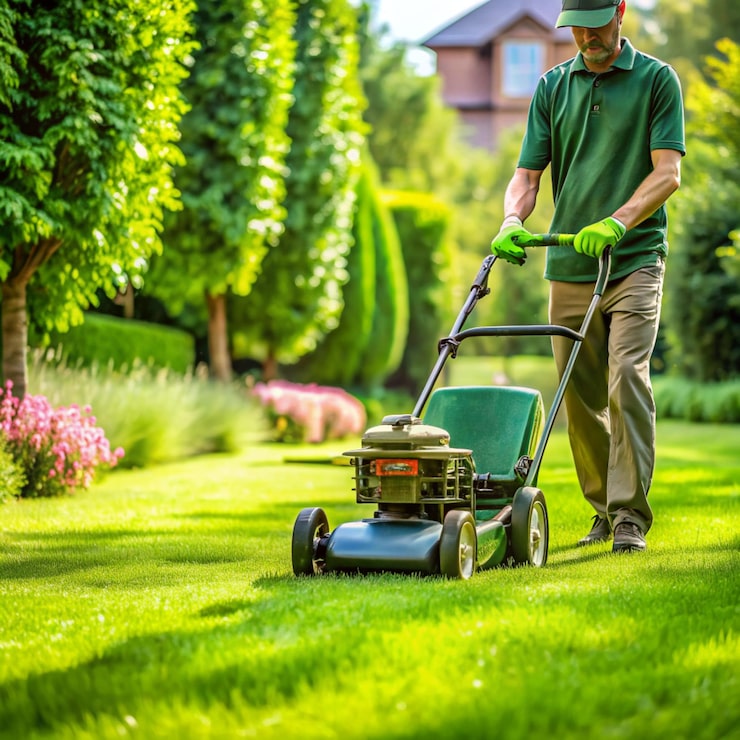
Summer lawn care in Seattle is primarily about maintaining what spring built. Mowing at the correct height — higher than most homeowners instinctively cut — retains moisture in the soil and keeps turf dense enough to crowd out weeds naturally. Irrigation monitoring through July and August ensures zones are performing correctly and nothing is being over or underwatered as temperatures fluctuate.
This is also the season when pest and disease pressure tends to peak. A professional maintenance team recognizes early signs — unusual discoloration, irregular thinning patterns, changes in growth — and addresses them before they spread. Problems caught early in summer cost a fraction of what they cost to remedy by fall.
Fall — The Season That Determines Everything
Fall is the most important season in the entire yard care calendar. It’s also the most commonly skipped.
Lawn aeration is essential for Seattle’s frequently compacted soils. Pushing hollow tines through the turf profile breaks up compaction, improves drainage, and allows air, water, and nutrients to reach root zones that have been sealed off. Overseeding after aeration fills in thin areas with fresh turf before winter, so the lawn emerges in spring thicker and more competitive against moss and weeds.
Planting beds need protective mulching to insulate root zones through winter and reduce the temperature swings that heave shallow-rooted plants out of the soil. Trees and shrubs benefit from dormant-season fertilization that supports root development through winter even when top growth has stopped. And irrigation systems need to be properly winterized — lines blown out, valves drained, controllers protected — before the first freezing temperatures arrive.
The homeowners who invest in thorough fall maintenance are the ones whose yards look dramatically better the following spring than those who let the season pass without attention.
Winter — Quiet But Not Inactive
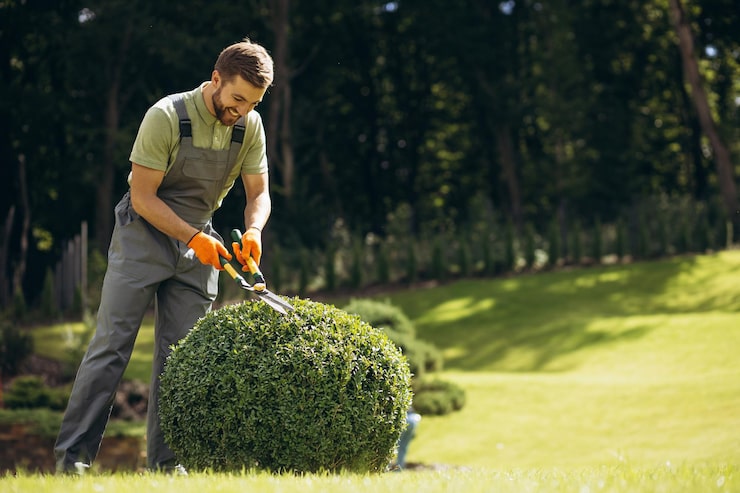
Winter in Seattle doesn’t shut the yard down entirely. Heavy rainfall reveals drainage problems that weren’t visible in summer. Moss colonizes neglected lawn areas with surprising speed during the wet months. Structural pruning on trees and shrubs is best performed during full dormancy — cleaner cuts, less stress on the plant, and a clearer view of the branch structure without foliage in the way.
A professional team maintaining the property through winter catches these things early. Small drainage issues get addressed before they damage hardscaping or create erosion problems. Moss is treated before it dominates. The pruning work that shapes how trees and large shrubs perform for the next several years gets done at the right time rather than whenever it becomes impossible to ignore.
Conclusion
Here’s something that becomes obvious when you look at properties maintained professionally over multiple years versus those maintained sporadically: consistent care compounds.
A lawn aerated and overseeded every fall gradually becomes denser, more resilient, and more resistant to moss and weeds — not because of any single treatment, but because each year’s care builds on the previous year’s foundation. Planting beds that are properly mulched and maintained season after season develop healthier soil biology, retain moisture more effectively, and support plant growth that improves visibly year over year.
The inverse is equally true. Deferred maintenance also compounds. The moss that wasn’t treated in fall is twice as established by spring. The irrigation head that wasn’t repaired in September caused dry spots all summer that thinned the turf enough to invite weeds. The tree that wasn’t pruned correctly is now a structural issue that costs significantly more to address.
This is why the framing matters. Professional lawn care and maintenance isn’t an expense you incur when something goes wrong. It’s an investment you make to protect the larger investment your outdoor space represents — and to keep the value of that investment growing rather than slowly eroding.