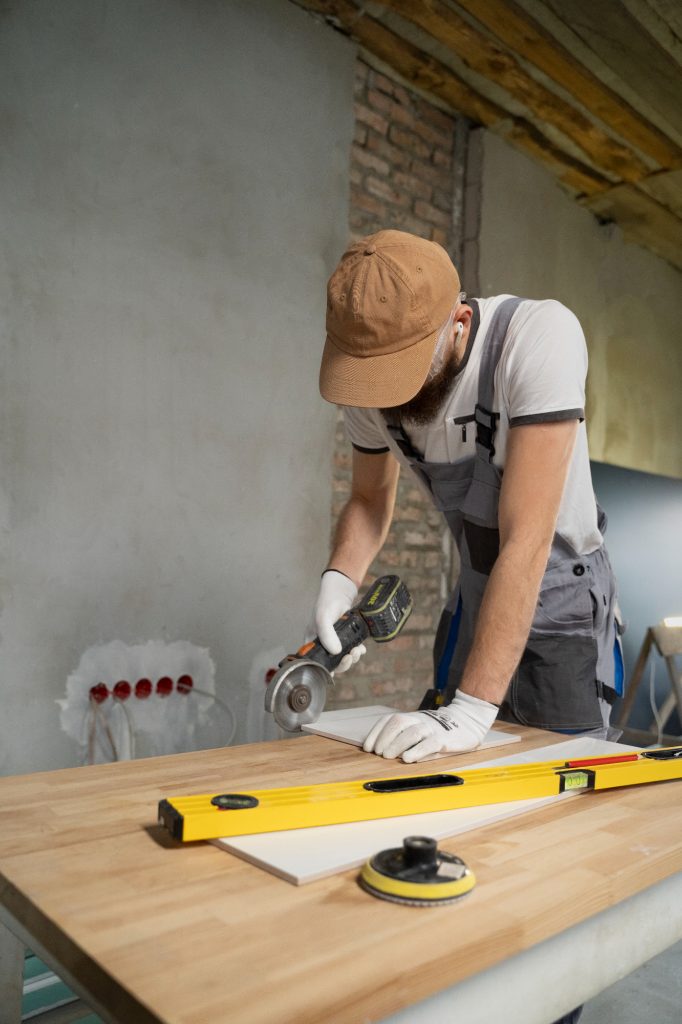


The finish you see is the last five percent of the job. The first ninety-five is preparation. That is true for timber floors and it is just as true for wall coverings. Plenty of beautiful materials look disappointing because the surface underneath wasn’t ready. In this guide, we cover what goes on before the visible work begins, so you can judge quality for yourself and ask the right questions. Good Wood Flooring Works start with the subfloor, not the plank, and good wall finishes start with the wall, not the roll.
Understanding Timber Choices
Not all timber floors are the same. The main decision is usually between solid and engineered boards, along with species, grain and finish.
Solid Versus Engineered Boards
Solid boards are cut from a single piece of wood. They can be sanded several times over their life, but they react more to moisture changes. Engineered boards have layers glued in opposing directions, which makes them more stable. Which one suits you depends on the room, the subfloor and your budget.
Species, Grain and Finish
Lighter woods make spaces feel open, while darker ones feel rich and formal. Grain adds character, and finish determines how the floor handles wear. Always look at samples in the room itself, since showroom lighting changes how color appears.
Preparing for Timber Installation
This is where quality is decided.
Checking Moisture and Flatness
Concrete can hold moisture long after it looks dry. A moisture check before fitting protects the floor from future problems. Flatness matters just as much. Dips and bumps lead to gaps, squeaks and uneven wear.
Underlay and Expansion Gaps
A proper underlay adds comfort, reduces noise and can help with minor surface irregularities. Expansion gaps at the edges allow the timber to move without buckling. These gaps are covered by skirting, so you won’t see them, but the floor depends on them.
Acclimatization
Boards need time in the space before fitting so they adjust to the room’s conditions. Rushing this step often leads to movement later on.
A Good Fitter Will
- Check the subfloor before ordering materials
- Explain how the boards will be laid
- Leave correct gaps at edges and fixed points
- Protect the finished floor from other trades
- Provide clear care instructions at handover
Common Preparation Mistakes
A few errors cause most of the problems seen after installation. Knowing them helps you ask better questions.
Laying Timber on a Damp Base
This is the number one cause of floor failure. Concrete can look dry on top and still hold moisture. Always ask whether the subfloor has been tested.
Skipping the Underlay
Underlay isn’t decoration. It smooths minor flaws, helps with sound and adds comfort underfoot. Leaving it out to save a little money usually costs more in the long run.
No Expansion Gap
Timber needs room to move. Boards fixed tight against walls and fixed objects have nowhere to go and may buckle. It is a simple detail that makes a big difference.
Hanging Paper on Unprepared Walls
Dust, flaking paint or grease on a wall stops the adhesive from bonding. The result is bubbling, lifting corners and visible seams. A clean, primed surface avoids all of that.
Ignoring the Lighting
Raking light from a window reveals every bump on a wall and every ridge in a floor. Check surfaces under strong side light before you finish, not after.
Preparing Walls for Wall Coverings
Now to the walls. Once timber is in or planned, Wallpaper Fixing Works can be scheduled with the right preparation steps.
Repair, Smooth and Prime
Cracks need filling, rough patches need sanding and loose paint must come off. After that, a primer seals the wall and helps the adhesive grip evenly. Skipping primer can lead to uneven absorption and visible joins.
Checking for Moisture
If a wall is damp, no wallcovering will survive on it for long. Find and fix the cause first, whether that is a leak, a bridging crack or poor waterproofing behind the wall.
Choosing the Right Material
Breathable non-woven textiles are easy to work with and gentle on walls. Patterned papers need careful layout so repeats line up. Panoramic murals need accurate measurements and flat surfaces so the image joins cleanly.
Installation Standards to Expect

- Measure the wall and plan the layout before cutting anything
- Apply adhesive evenly according to the material’s instructions
- Align each strip using plumb lines, not just the ceiling edge
- Match patterns carefully across every join
- Smooth out air bubbles and wipe away excess adhesive
- Trim neatly at corners, sockets and skirting
Care and Maintenance
Timber floors like gentle cleaning. Use products recommended by the installer, avoid soaking the surface and wipe up spills quickly. Wall coverings need only light dusting or a gentle wipe, depending on the material. Keep an eye on air conditioning leaks, because water is the enemy of both timber and paper.
Questions to Ask Your Contractor
A good conversation before work starts says a lot about the quality you will receive. Here are some questions worth asking.
- How do you check the subfloor and walls before starting?
- Which materials do you recommend for this room, and why?
- How long will the boards or rolls be left to settle in the space?
- How will you protect finished areas while other trades work?
- What care instructions will I receive at handover?
- Can I see the quote broken down line by line?
Clear, direct answers suggest experience. Vague answers suggest you should ask more questions or look elsewhere. Remember, you are entitled to understand what is happening in your own home or office.
Planning Around Other Trades
Floors and walls are almost always finished near the end of a project, which means they depend on everyone else. Painters, electricians, cooling teams and plumbers all work close by, and their dust, water and tools can damage new surfaces. Agree a clear order, protect finished areas and keep the site dry and tidy. When one team coordinates several trades, this is much easier to manage, because the people planning the schedule also understand each task.
Conclusion
Quality finishes are built on preparation. Check the subfloor, plan the layout, choose the right materials and let experienced hands do the installation. That mindset gives you results that last. Breeq Al Qimmah Technical Services provides itemized quotes and same-week surveys for villas and offices across Dubai. Call +971 55 262 7258 and see what your space needs.
Frequently Asked Questions
What is the difference between solid and engineered wood?
Solid wood is a single piece and can be refinished several times. Engineered wood is layered for stability. Both can look excellent when installed properly.
Why is primer needed before wallpaper?
Primer seals the wall, evens out absorption and helps the adhesive bond. It also makes later removal easier.
Can I install flooring over existing tiles?
Sometimes, if the surface is level, sound and dry. A site survey will confirm whether it is suitable.
How do I clean timber floors safely?
Use a barely damp mop or recommended cleaner, avoid pooling water and follow the installer’s care advice.