
Even the strongest floor material will peel up if the concrete slab underneath is not prepped correctly before installation. Long-lasting floor bonds depend on getting the concrete perfectly clean, dry, and textured so the new material can grip tightly.
Understanding how concrete preparation works ensures your new floor stays bonded for decades.
Cleaning Concrete with Mechanical Shot Blasting
Concrete subfloors in old kitchens often hold trapped grease, oil, old glue, and moisture deep inside their pores. Simply sweeping or washing concrete with acid is not enough to prep it for an industrial floor.
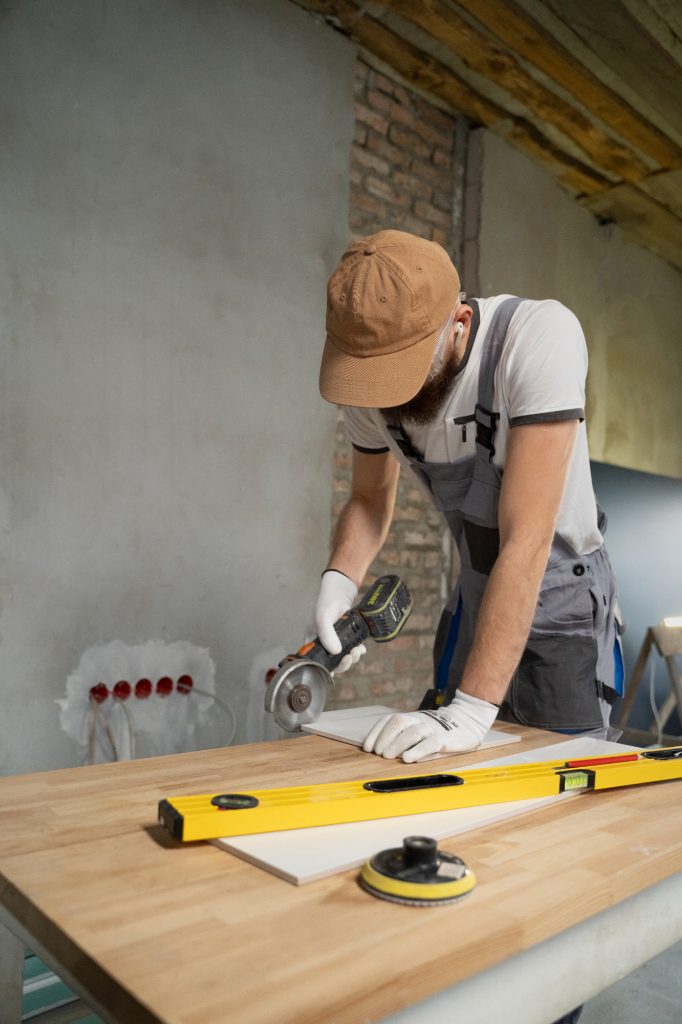
Professional installers of commercial kitchen flooring use shot-blasting and diamond-grinding equipment to strip away weak concrete and expose a fresh, clean surface for the new coating to grip onto.
Stopping Moisture Vapor Rising from Below
Moisture vapor rises through concrete slabs from the ground underneath. If this moisture is not managed properly, water pressure can push up against floor coatings, causing bubbles and blisters to form on the surface.
Applying specialized moisture-blocking primers under industrial kitchen flooring seals the concrete base, stopping moisture pressure from lifting your floor off the ground.
Fixing Cracks and Uneven Surfaces First
Before applying topcoats, all concrete cracks, dips, and rough patches need to be repaired with strong polymer fillers to give the new floor a level foundation.
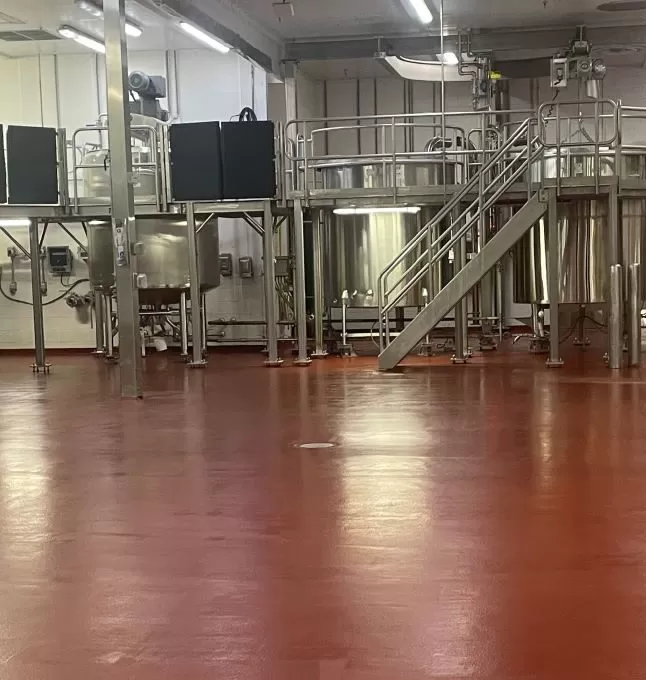
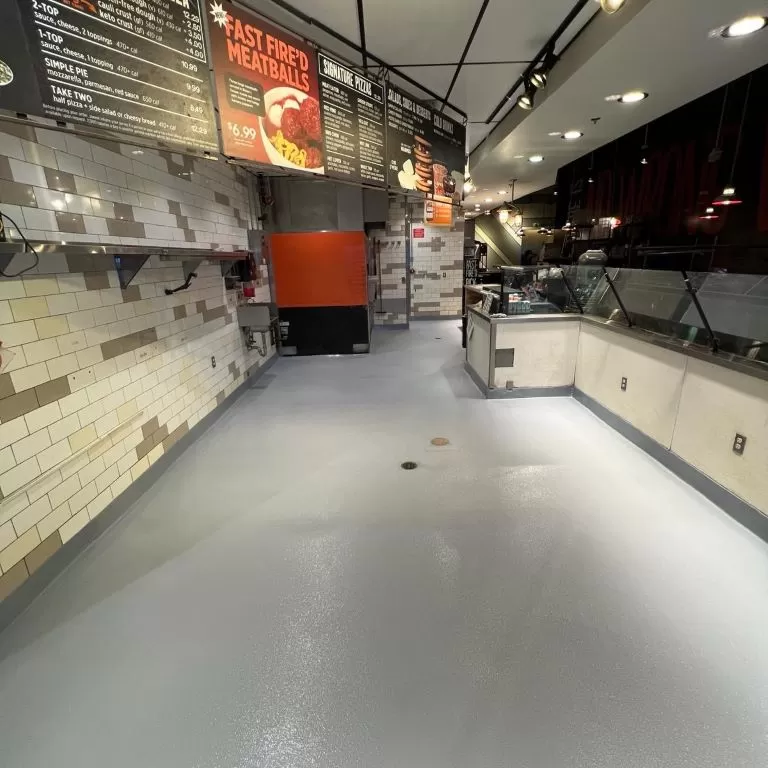
Working with experienced professionals for your Epoxy flooring for commercial kitchen installation ensures every crack is filled correctly, giving you a smooth, durable finish that stays locked down tight.
Building a Strong Foundation for Your Floor
Great floor performance starts underneath. Proper shot blasting, moisture testing, and crack filling guarantee your new resin floor stays firmly attached through years of hard use.