

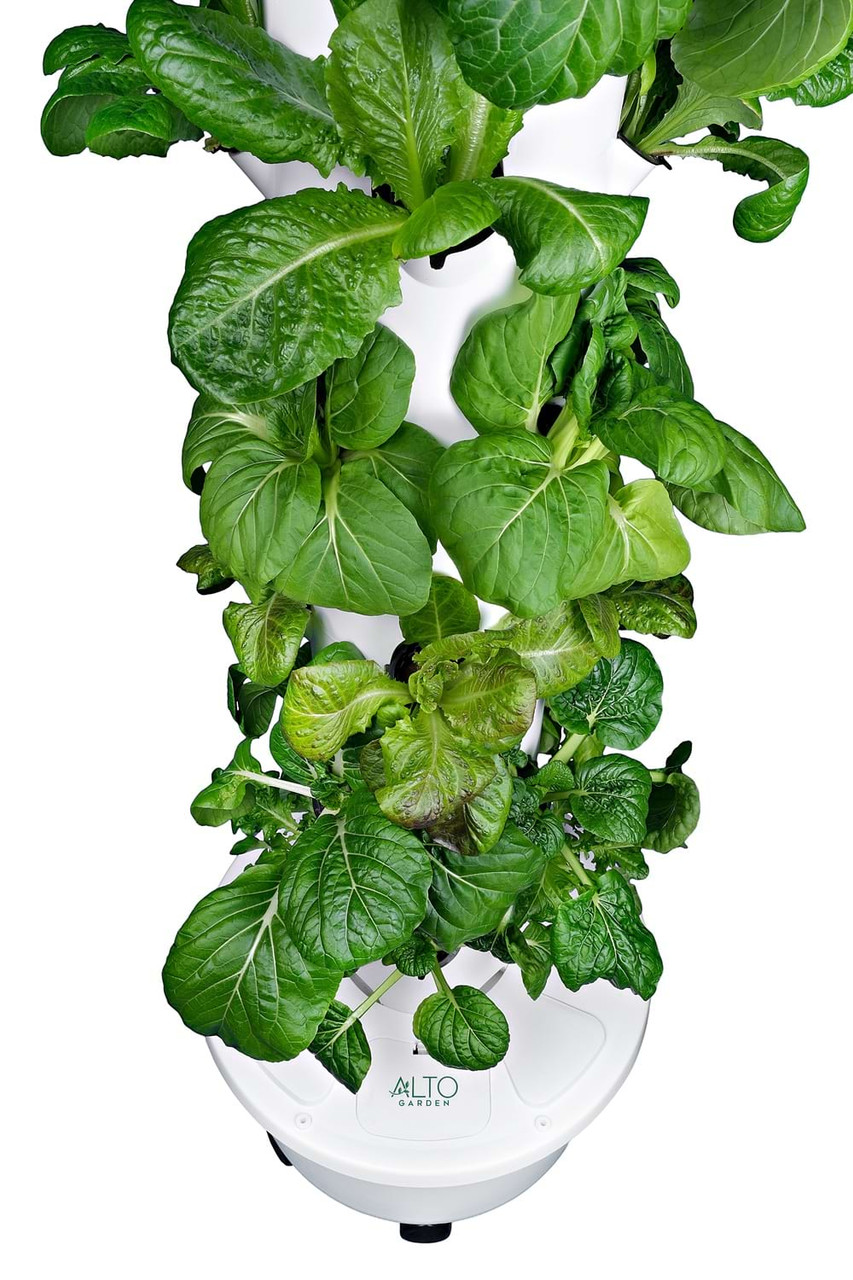
Producing fresh food at home has become a practical goal for many families seeking healthier and more sustainable lifestyles. Traditional gardening methods often require large outdoor areas, fertile soil, and constant maintenance. A garden tower provides a modern alternative by allowing plants to grow vertically with a controlled flow of water and nutrients. This approach makes food production possible in small spaces while ensuring plants remain healthy and productive. In this article, we will explore how garden tower systems improve home food production, conserve resources, and fit easily into everyday living.
The Concept of Vertical Food Growing
Vertical food growing is based on using height instead of ground area. In a tower system, plants are arranged in stacked pockets around a central structure. Water mixed with nutrients is delivered from the top and flows downward through each plant site.
This design ensures that every plant receives equal access to nourishment. Unlike soil-based gardening, where roots compete for nutrients, tower systems distribute resources evenly. As a result, growth becomes faster and more uniform, which is ideal for home food production.
How Water Flow Enhances Productivity
One of the most important features of a garden tower system is its efficient water flow. The system recycles water through a closed-loop process, minimizing waste and maintaining consistent moisture levels for plant roots.
Balanced hydration improves nutrient absorption and reduces plant stress. When plants are not exposed to sudden changes in water supply, they develop stronger roots and healthier leaves. Over time, this leads to higher yields and better-quality produce for home use.
Space Efficiency for Modern Households
Many households today live in apartments or homes with limited outdoor areas. Garden tower systems solve this challenge by using vertical space instead of spreading plants across the ground. A single tower can support many plants within a small footprint.
This makes it suitable for balconies, patios, rooftops, and indoor rooms with proper lighting. The upright structure also improves accessibility, allowing gardeners to water and harvest without bending or kneeling. This convenience makes gardening easier for people of all ages and physical abilities.
Environmental Benefits of Home Food Production
Growing food at home reduces dependence on packaged and transported produce. This helps lower carbon emissions related to transportation and decreases plastic waste from grocery packaging.
Garden tower systems also conserve water by reusing it within the system. Traditional gardens often lose water through evaporation and runoff, while tower systems direct water only to plant roots. These environmental benefits make tower gardening a responsible choice for households aiming to reduce their ecological footprint.
Crops That Perform Well in Tower Systems
Certain plants thrive particularly well in vertical hydroponic environments. Leafy greens such as lettuce, spinach, and kale grow quickly and require minimal root space. Herbs like basil, mint, and parsley benefit from constant access to nutrients and water.
Strawberries are another popular crop for tower gardening because they adapt easily to vertical layouts. Compact varieties of tomatoes and peppers can also be grown successfully with adequate lighting and support. This variety allows families to produce fresh ingredients for daily meals.
Simple Maintenance and Daily Care
Garden tower systems are designed for ease of use. There is no soil to dig and almost no weeds to remove. Daily care usually involves checking the water level and ensuring the nutrient solution remains balanced.
Because plants are elevated, pests are easier to notice and manage. Cleaning the reservoir occasionally keeps the system working efficiently. With this simple routine, even beginners can maintain a productive garden without spending excessive time on upkeep.
Why Garden Towers Fit Today’s Lifestyle
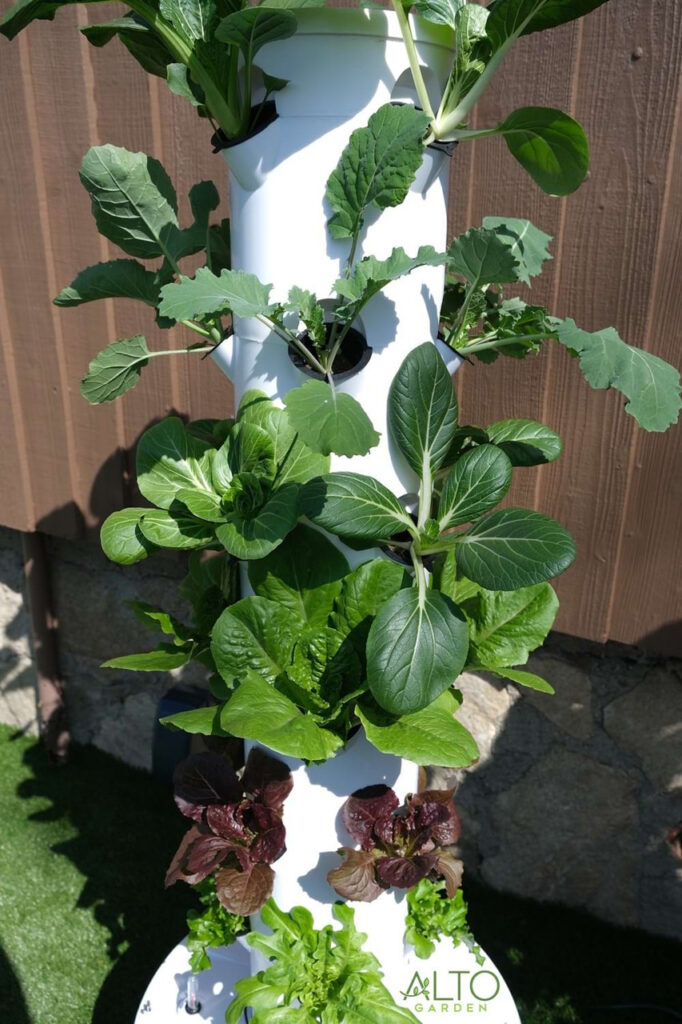
Modern lifestyles demand solutions that save time and space while delivering long-term value. garden towers meet these needs by offering an all-in-one growing system that is compact, efficient, and easy to manage. They can be used indoors or outdoors depending on available space and light.
These systems also encourage healthier eating habits. When fresh vegetables and herbs are readily available at home, families are more likely to prepare nutritious meals. Over time, this connection between gardening and daily life supports better food choices and greater self-sufficiency.
A Conversational View of Home Food Growing
Imagine stepping into your kitchen or onto your balcony and picking fresh herbs for cooking. A garden tower makes this experience simple and rewarding. You do not need to rely on seasonal weather or large garden plots. Everything grows in one organized system that fits naturally into your routine.
This style of gardening feels practical and empowering. It transforms unused spaces into productive areas and brings a sense of accomplishment with every harvest. Whether growing greens for salads or herbs for flavor, the process becomes part of everyday living.
Conclusion
Garden tower systems provide an efficient solution for home food production in small and modern living spaces. By combining vertical design with optimized water flow, they support healthy plant growth while conserving resources. These systems are easy to maintain, environmentally friendly, and suitable for beginners and experienced gardeners alike. With the right plant selection and simple care, a garden tower can deliver fresh and nutritious produce throughout the year and redefine how households approach home gardening.
FAQ
- How does a garden tower improve home food production?
A garden tower uses vertical space and hydroponic water circulation to grow more plants in less area with higher efficiency. - What types of crops are best for a garden tower system?
Leafy greens, herbs, strawberries, and compact fruiting plants like cherry tomatoes work best in tower systems. - Is a garden tower difficult to maintain for beginners?
No, it requires only basic daily checks for water and nutrients, making it simple and beginner-friendly.