
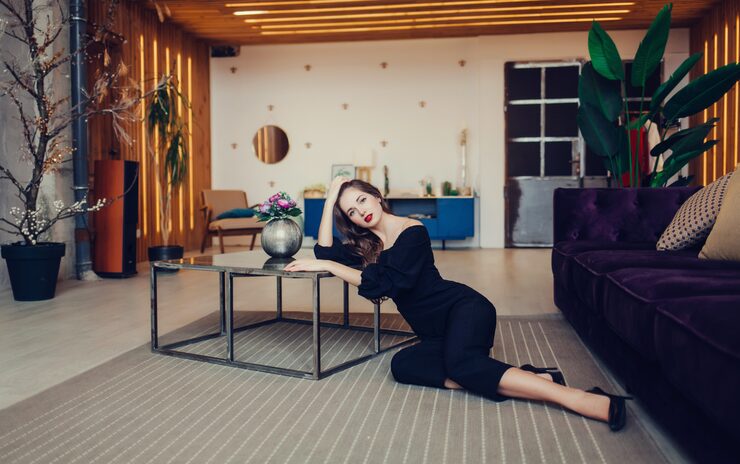
Modern home design has evolved beyond pure aesthetics. Today’s most successful interiors balance visual appeal with everyday functionality, creating homes that look refined while supporting real life. Instead of chasing trends that fade quickly, modern design now focuses on thoughtful layouts, durable materials, and flexible spaces that feel effortless to live in.
Here are the key modern home design trends that strike the perfect balance between beauty and practicality.
Open Layouts With Defined Zones
Open-plan living remains popular, but modern design adds structure to prevent spaces from feeling empty or chaotic.
How it works
-
Furniture placement defines areas instead of walls
-
Area rugs separate living, dining, and work zones
-
Lighting variations signal different functions
This keeps homes airy while maintaining order and usability.
Neutral Foundations With Warm Accents
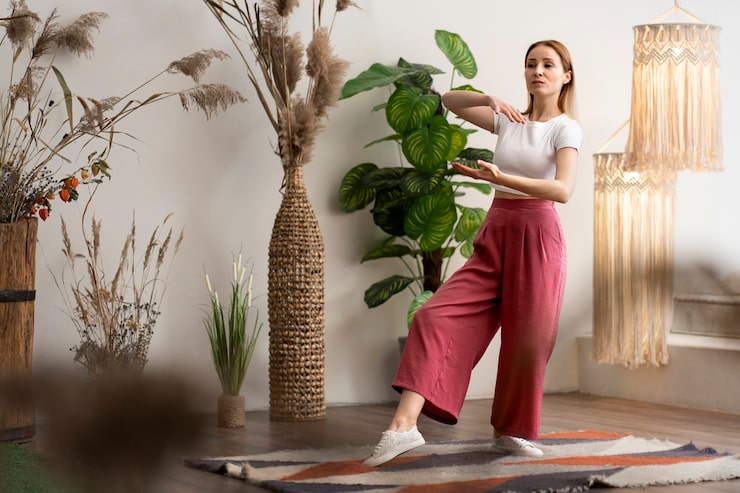
Modern homes often rely on neutral palettes, but warmth is essential for comfort.
Popular combinations
-
Soft whites, greys, and beige as base colors
-
Warm wood tones for furniture and floors
-
Earthy accents like clay, olive, or sand
This approach creates timeless interiors that feel calm, welcoming, and adaptable.
Functional Furniture With Clean Design
Modern furniture is increasingly designed to look elegant and serve a purpose.
Trending features
-
Built-in storage sofas and beds
-
Extendable dining tables
-
Modular seating that adapts to space
Clean lines keep the look modern, while smart features improve daily life.
Smart Storage That Blends In
Clutter-free spaces are a cornerstone of modern design.
Practical storage trends
-
Floor-to-ceiling cabinetry
-
Hidden storage under stairs or seating
-
Built-in shelving that matches wall colors
When storage blends seamlessly into the design, homes feel calmer and more spacious.
Natural Materials for Lasting Appeal
Modern design is moving toward authenticity and durability.
Common material choices
-
Solid wood and wood veneers
-
Stone, quartz, or concrete finishes
-
Linen, cotton, and wool textiles
Natural materials age well, add texture, and reduce the need for frequent updates.
Lighting Designed for Real Life
Lighting is no longer just decorative—it’s functional and flexible.
Modern lighting strategies
-
Layered lighting (ambient, task, accent)
-
Warm LEDs for comfort
-
Dimmers to adjust mood and energy
Good lighting enhances both productivity and relaxation throughout the day.
Multipurpose Spaces for Flexible Living
Homes now need to do more with less space.
Modern solutions
-
Home offices that double as guest rooms
-
Dining areas that become workspaces
-
Movable partitions or screens
These flexible designs adapt easily to changing needs without renovations.
Minimalist Design With Comfort in Mind
Modern minimalism now emphasizes comfort, not emptiness.
Balanced minimalism includes
-
Fewer but higher-quality furnishings
-
Soft textures to offset clean lines
-
Thoughtful spacing instead of bare rooms
This keeps interiors modern while remaining livable.
Energy-Efficient and Low-Maintenance Choices
Practicality extends beyond layout into long-term living costs.
Trending upgrades
-
Energy-efficient lighting and appliances
-
Durable flooring materials
-
Easy-to-clean surfaces
These choices save time, money, and effort over the years.
Indoor-Outdoor Connection
Modern homes increasingly blur the line between indoors and outdoors.
Design features
-
Large windows and sliding doors
-
Indoor plants as décor elements
-
Outdoor spaces styled like indoor rooms
This enhances natural light, airflow, and overall well-being.
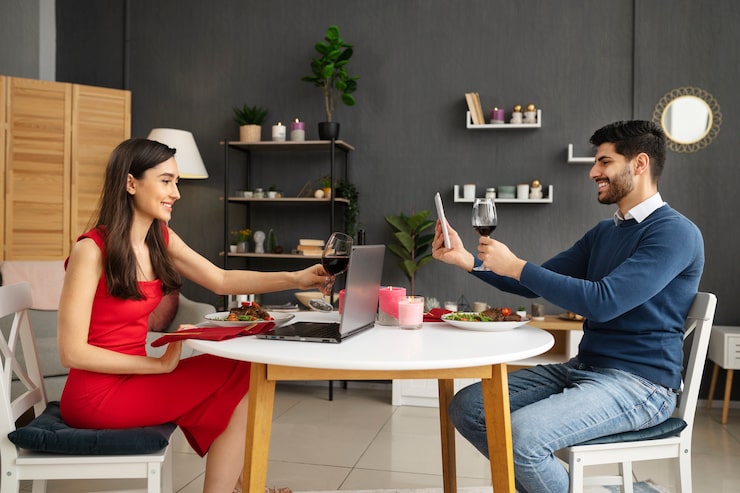
Personalized Details Without Overdesign
Modern homes reflect individuality without excess.
Simple personalization
-
Artwork with meaning
-
Textiles in preferred colors
-
Subtle décor tied to lifestyle
Personal touches make modern interiors feel human and lived in.
Final Thoughts
Modern home design trends today are less about impressing and more about supporting everyday life beautifully. When thoughtful layouts, functional furniture, and timeless materials come together, homes feel effortless, comfortable, and stylish.
True modern design isn’t just seen—it’s experienced. By balancing beauty with practicality, you create a home that works today and continues to feel right for years to come.